AI & Medicine: AI Clinical Documentation for Clinics
How clinics can use AI clinical documentation tools to improve note quality, reduce review time, and standardize workflows.
AI clinical documentation is a workflow decision first
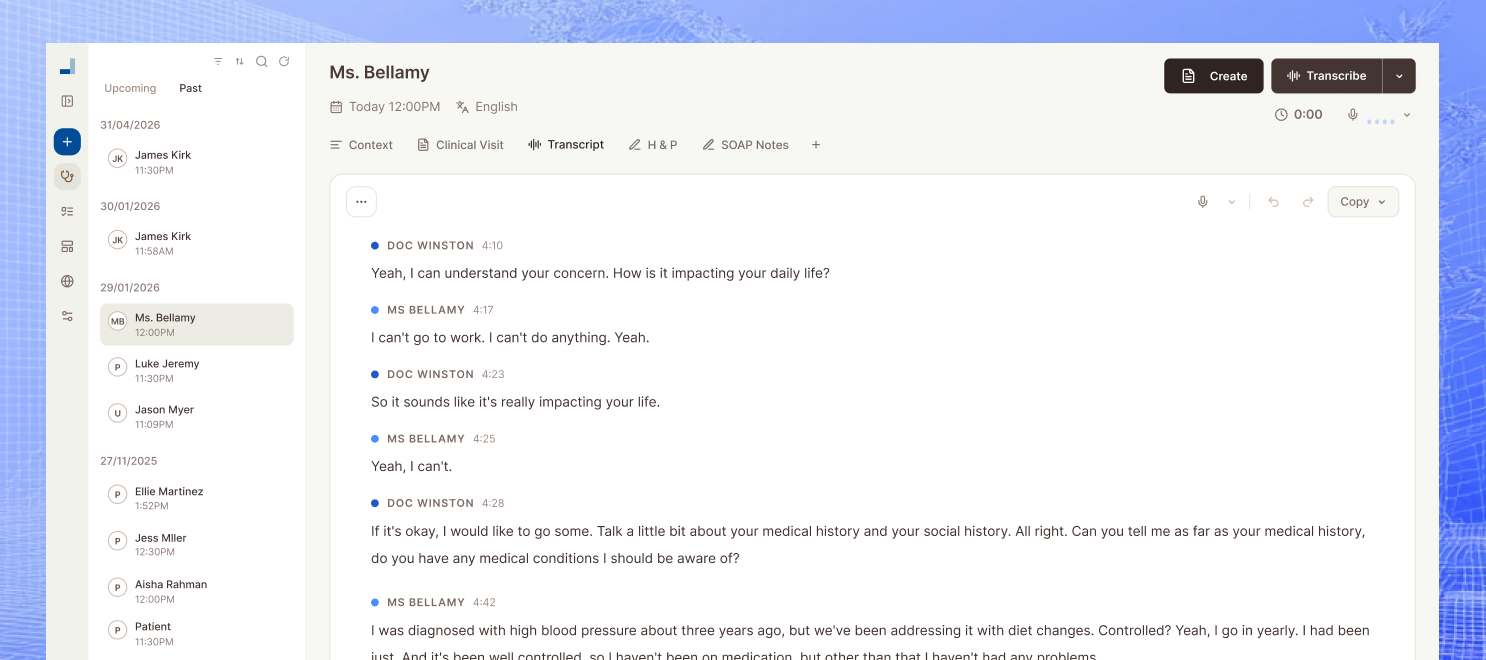
The buying mistake most clinics make is treating AI clinical documentation as a feature purchase. In practice, the better question is whether the tool helps the clinic create cleaner notes, review them faster, and keep documentation quality more consistent over time.
That is the lens behind AI clinical documentation as a commercial category. The product has to work for the daily system, not just for the demo.
The best systems reduce variability, not just typing
Typing less is useful, but note variability is what hurts teams operationally. Inconsistent structure slows chart review, complicates handoffs, and makes follow-up work harder for staff. Clinics should look for systems that support reusable templates and make the final note shape more predictable.
This matters most when:
- Multiple clinicians share one documentation standard
- The clinic runs several visit types with different note needs
- Letters and summaries are frequently created from the same encounter
What to compare during a pilot
A useful pilot should compare more than transcript accuracy. Track how the system behaves across real clinical situations:
- Review speed for the clinician
- Quality of the first draft across common visit types
- Template fit for chronic care, follow-ups, and referrals
- Whether staff can reuse the encounter context later
Teams often find that template control and downstream workflow support matter as much as the capture step itself.
How templates improve documentation quality
Templates are not just formatting helpers. They are what keep AI output closer to the clinic’s own standards. A better template system helps the team decide what belongs in the note, where it belongs, and how much detail should be carried forward.
That is one reason many practices pair AI evaluation with a review of their clinical notes software needs. The note system and the AI system end up being the same workflow in practice.
Why follow-up outputs matter
The strongest documentation tools do more than finish the note. They help the clinic draft referral letters, summaries, and patient-ready instructions from the same source encounter. That reduces duplicate drafting and keeps the operational story cleaner after sign-off.
For many clinics, this is where the real ROI appears: less repeated work after the visit is already over.
Related reading
Keep reading with AI for Clinical Notes in Small Practices, How to Audit Clinical Notes Produced by AI, and How to Reduce Errors in AI-Generated Clinical Notes.