[ COMPARISON ]
A Freed AI alternative for teams that want tighter clinic-wide documentation systems.
Mcoy helps clinics compare on the criteria that matter operationally: note structure, template control, review speed, and the ability to generate downstream outputs from the same encounter.
Buyer Comparison Page
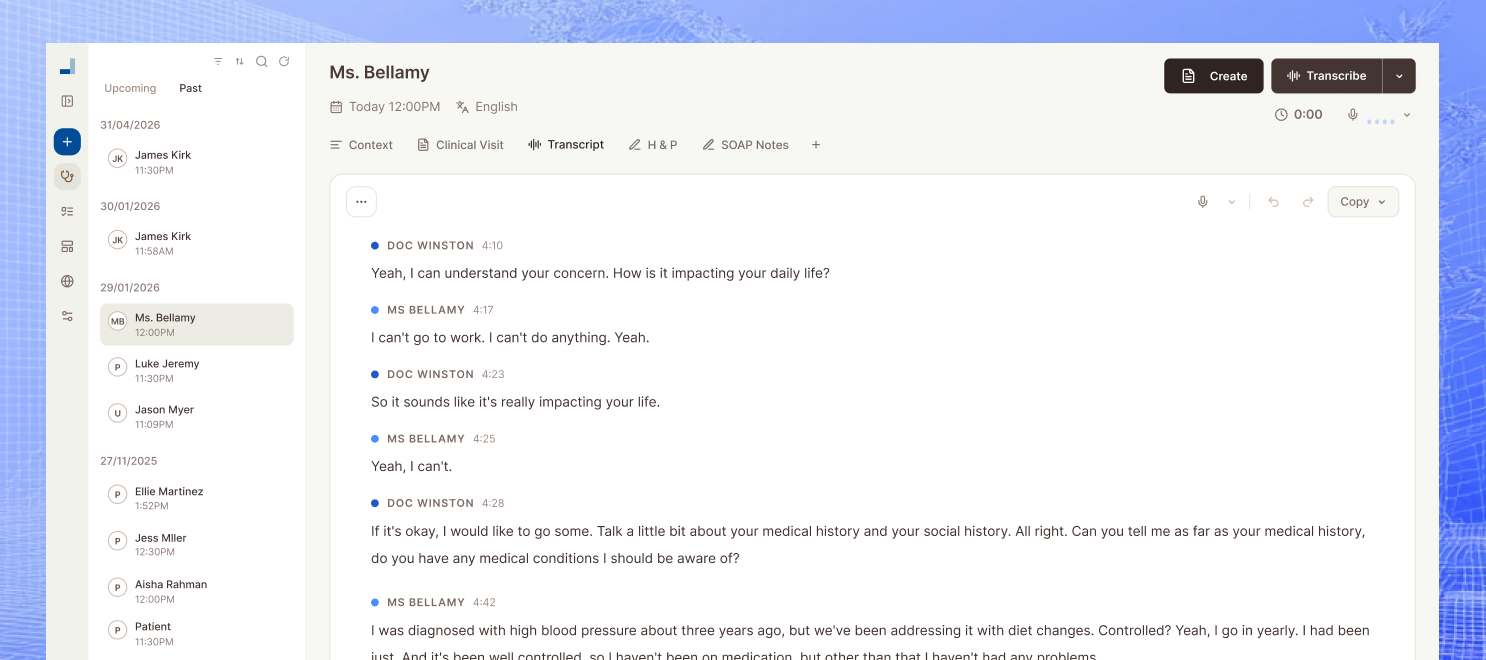



The right alternative should lower editing load, not just speed up capture.
A practical evaluation focuses on draft quality, standardization across the team, and whether the tool keeps the note connected to letters, summaries, and next-step admin work.
Need stronger note structure before review
Need shared templates for team consistency
Need to reuse the encounter for follow-up outputs

Workflow Fit
Start by comparing how much the clinician still has to fix
01 If a tool saves time in one part of the flow but creates a longer editing step later, the clinic may not see the time savings it expected. Pilot with that in mind.
Track edit rate and note completion time
Review outputs across multiple visit types
Measure operational fit, not just initial impressions
Template Control
Template flexibility matters once a clinic scales beyond one user
02 Shared note structures help clinics keep documentation quality aligned and simplify onboarding, review, and handoff processes across the team.
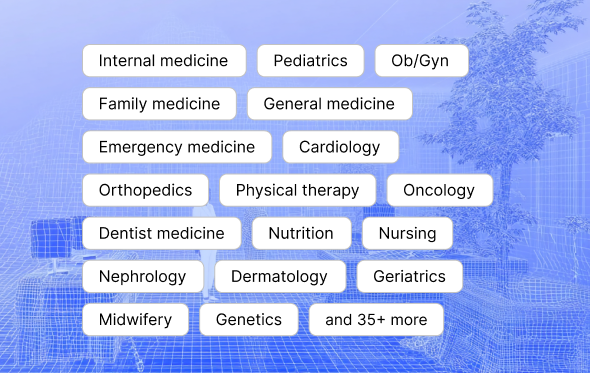
Reusable clinic-wide templates
Support for specialty and follow-up notes
Better documentation consistency across clinicians
Operational Depth
Prefer an alternative that can support the rest of the workflow
03 Mcoy is designed so the same encounter can support letters, summaries, and other follow-up outputs, which helps the clinic get more leverage from each captured visit.
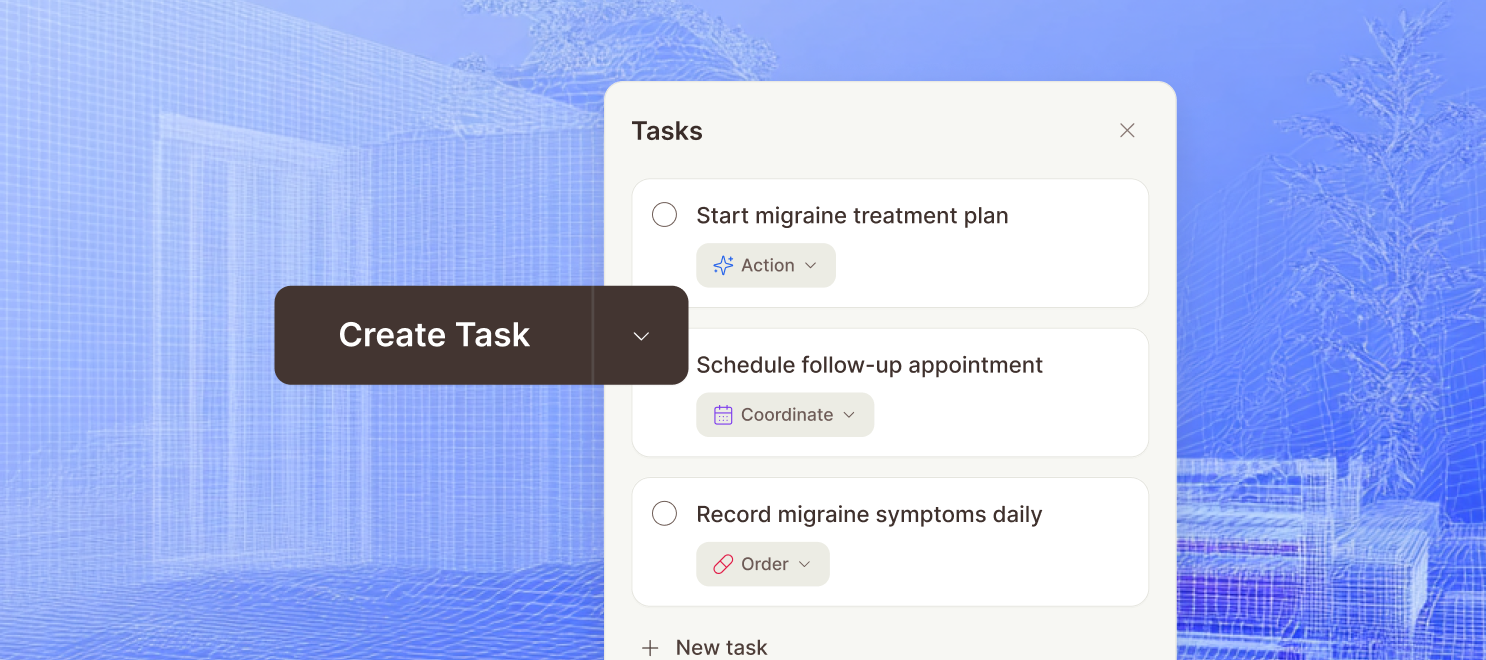
Generate follow-up outputs from one source
Reduce separate drafting work for staff
Keep encounter data useful after sign-off
[ CLINIC FIT ]
Compare more than capture quality.
Use workflow fit, review speed, template control, and operational follow-through as the lens for evaluation. That is where real clinic value shows up.

Ambient Scribe
Listen during the consult and draft a note in the background with sections that match your workflow.
Flexible Templates
Build note styles for different specialties and keep the final output aligned with how your team already documents.
Follow-Up Messaging
Turn completed visits into outreach, instructions, and next-step reminders without starting from scratch.
Clinical Search
Ask questions against the active encounter, transcript, and structured context without losing the original source trail.
Encrypted patient data
Mcoy handles patient and clinic data with encrypted workflows so notes, transcripts, and supporting context stay protected throughout documentation.
Multi-factor authentication
Account security settings are structured to support MFA controls, giving clinics an extra layer of login protection beyond passwords alone.
Role-based permissions
Owner, admin, and member roles help clinics control who can manage seats, billing, team settings, and broader workspace access.
Controlled team access
Invites, membership checks, and workspace-level access rules help keep sensitive documentation visible only to the people involved in care operations.
[ FAQ ]
Questions buyers ask before they book a demo.
What should clinics compare when evaluating Freed AI alternatives?
Focus on workflow fit, clinician review time, template control, follow-up outputs, and how easily the system can be adopted across the team.
Why publish a Freed AI alternative page instead of a generic blog post?
Branded comparison searches usually come from buyers who are already evaluating tools. A focused page is better aligned to that intent than a broad educational article.
What is the safest way to trial an alternative?
Run a short pilot with a small set of visit types, review note quality daily, and compare completion time, edit rate, and follow-up throughput before expanding rollout.