Compare & Choose: Best Physician Dictation Software for Modern Practices
What to look for in physician dictation software, including structure, templates, review speed, and workflow fit for modern clinics.
The best physician dictation software depends on what happens after dictation
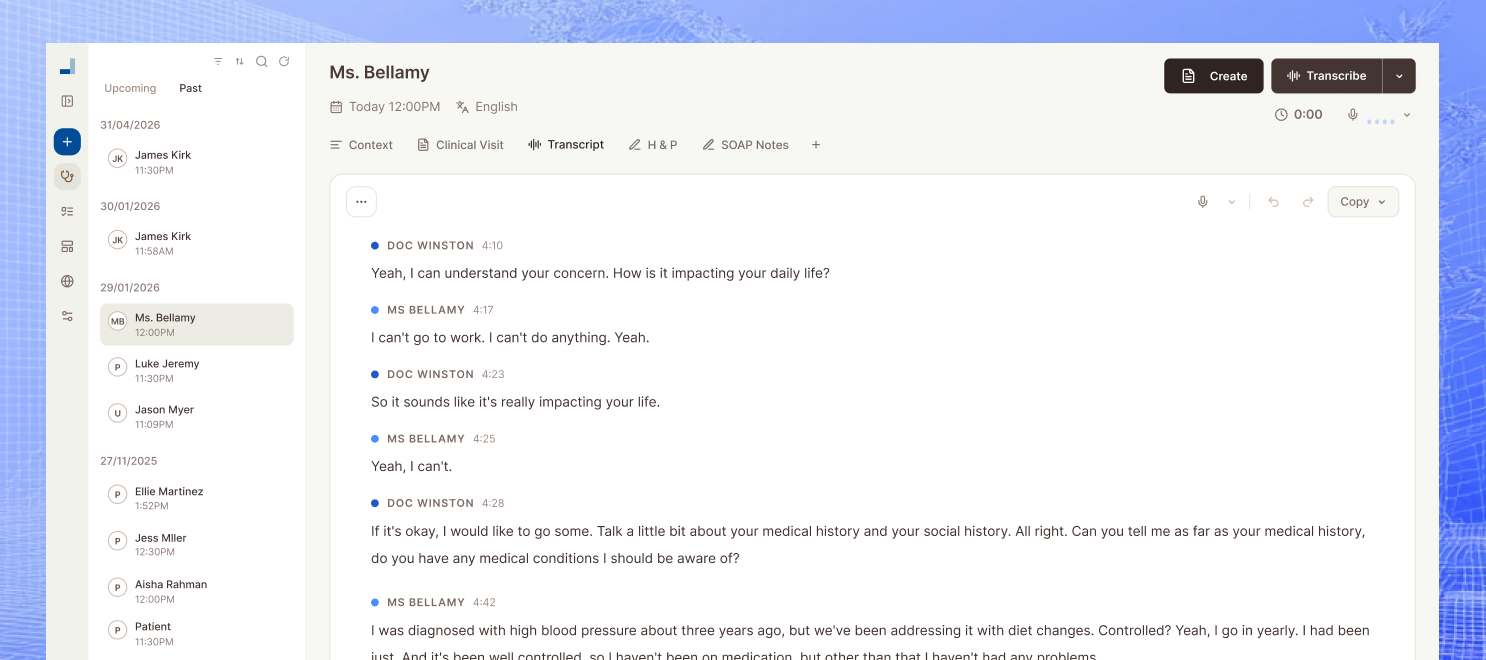
Clinics often evaluate physician dictation software by testing microphone quality, speech recognition speed, and editing controls. Those details matter, but they do not answer the bigger operational question: what happens after the words are captured?
The best systems reduce work after dictation, not just during it.
What modern practices should compare
If your team is comparing options, focus on:
- How structured the output is before clinician review
- Whether templates help different visit types stay consistent
- How quickly clinicians can finalize the note
- Whether the same encounter can be reused for letters or summaries
Those criteria matter more than cosmetic feature lists because they affect the clinic day directly.
Why structure matters more than transcription alone
A transcript can still leave the clinician with a long editing pass. A structured draft gives the doctor a better starting point and usually shortens the route to sign-off. That is why many buyers move from pure dictation evaluation into AI scribe for doctors and broader documentation workflow comparisons.
When to choose a broader documentation workflow
If the clinic wants to standardize notes, reduce after-hours charting, or generate follow-up outputs from the same encounter, a broader workflow tool may be the better fit than standalone dictation software.
That does not make dictation obsolete. It means the clinic should buy for the bottleneck it actually has.
Related reading
Keep reading with Medical Dictation Software vs AI Scribes, How Dictation Works in Healthcare, and How to Spend More Time With Patients and Less Time on Notes.