[ COMPARISON ]
Compare a DeepScribe alternative around workflow outcomes that matter.
Mcoy is designed for clinics that want stronger note structure, reusable templates, and encounter-based follow-up outputs in one calmer workflow.
Buyer Comparison Page
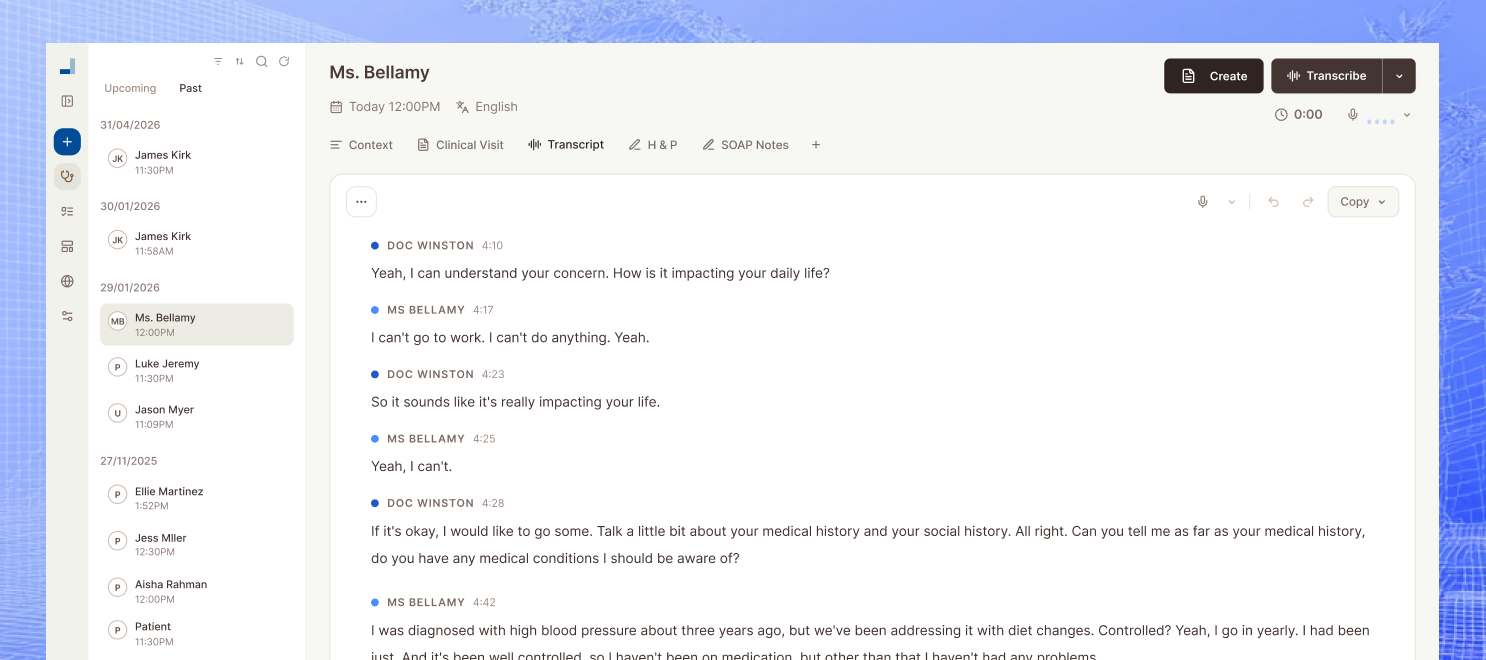


The evaluation should focus on how the clinic actually works after the consult.
Teams often compare ambient capture tools on first impression. The stronger lens is how the draft behaves under review, how templates support consistency, and whether staff can reuse the same encounter context later.
Need faster reviewable drafts, not just transcripts
Want better control over structure across note types
Need letters and summaries generated from the same encounter

Workflow Fit
Compare first-draft usefulness under real clinic conditions
01 A strong alternative should reduce charting time in practice, which means comparing not just capture, but the amount of editing and reshaping required before sign-off.
Track edit rate during the pilot
Compare note completion time across visit types
Review edge cases like noisy rooms and follow-up visits
Template Control
Prioritize template and specialty flexibility
02 Template control becomes more important as the team grows or visit complexity changes. It is a major lever for consistency and operational confidence.
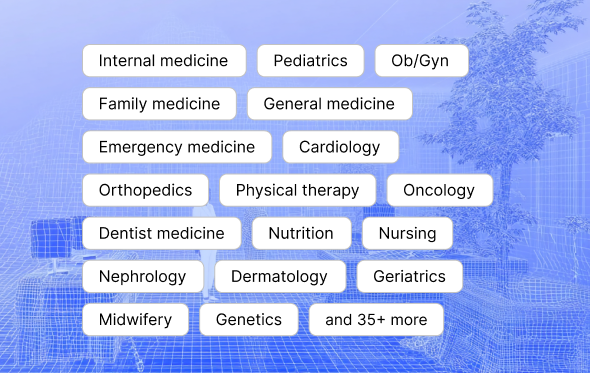
Use specialty-oriented note structures
Share standards across clinicians
Avoid relying on one generic documentation style
Operational Depth
Compare how much downstream admin work remains
03 The best alternative should help the clinic create more from the same encounter, instead of forcing staff to repeat the same drafting work in different places.
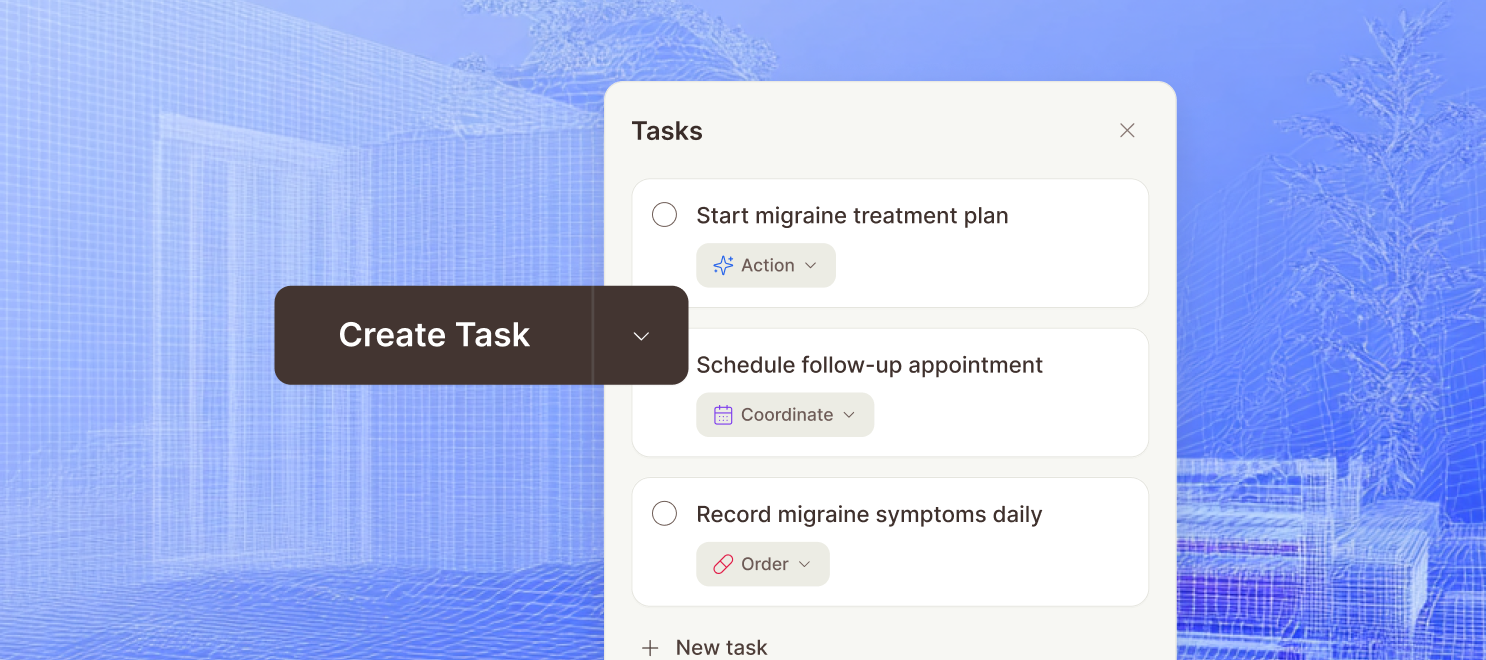
Draft referrals and patient summaries from one source
Keep documentation linked to follow-up actions
Reduce duplicated operational effort
[ CLINIC FIT ]
Compare more than capture quality.
Use workflow fit, review speed, template control, and operational follow-through as the lens for evaluation. That is where real clinic value shows up.
Ambient Scribe
Listen during the consult and draft a note in the background with sections that match your workflow.
Flexible Templates
Build note styles for different specialties and keep the final output aligned with how your team already documents.
Follow-Up Messaging
Turn completed visits into outreach, instructions, and next-step reminders without starting from scratch.
Clinical Search
Ask questions against the active encounter, transcript, and structured context without losing the original source trail.
Encrypted patient data
Mcoy handles patient and clinic data with encrypted workflows so notes, transcripts, and supporting context stay protected throughout documentation.
Multi-factor authentication
Account security settings are structured to support MFA controls, giving clinics an extra layer of login protection beyond passwords alone.
Role-based permissions
Owner, admin, and member roles help clinics control who can manage seats, billing, team settings, and broader workspace access.
Controlled team access
Invites, membership checks, and workspace-level access rules help keep sensitive documentation visible only to the people involved in care operations.
[ FAQ ]
Questions buyers ask before they book a demo.
What should clinics compare when evaluating DeepScribe alternatives?
Focus on workflow fit, clinician review time, template control, follow-up outputs, and how easily the system can be adopted across the team.
Why publish a DeepScribe alternative page instead of a generic blog post?
Branded comparison searches usually come from buyers who are already evaluating tools. A focused page is better aligned to that intent than a broad educational article.
What is the safest way to trial an alternative?
Run a short pilot with a small set of visit types, review note quality daily, and compare completion time, edit rate, and follow-up throughput before expanding rollout.