How Mobile Veterinarians Can Automate Notes
Species-specific guide to automating notes for mobile vets with documentation priorities, workflow design, and template ideas for veterinary teams.
Why automating notes for mobile vets needs a species-specific playbook
Species-specific workflows matter because documentation needs change with the patient, the setting, and the client expectation. This kind of workflow friction can make an otherwise well-run team feel disorganized because the note, follow-up plan, and handoff detail needed in one setting do not transfer neatly into another. In mobile veterinary services, the clinic gets better results when templates and handoffs reflect the actual case mix instead of a generic charting habit.
The practical goal is not to create endless template variety. It is to define the small number of repeatable workflows that carry the most volume or the most risk. Once those are clear, the team spends less time deciding how to document and more time focusing on the patient and the client.
What changes in this workflow compared with a generic clinic note
The reason generic documentation breaks down is that it treats every visit like the next clinician or client needs the same thing. They do not. Some workflows need serial comparison. Others need herd context, field logistics, procedure detail, or very clear owner instructions. Automating notes for mobile vets works better when the clinic defines those priorities up front and builds them into the note structure.
- List the facts that must be easy to compare over time for this species or service line.
- Define which sections of the note should stay structured and which require flexible narrative.
- Decide what the client-facing output should look like before the visit closes.
- Keep the number of active templates limited so the team can choose quickly under pressure.
Build the workflow around real cases, not ideal cases
Use recent cases from mobile veterinary services and study where the team had to clarify, rewrite, or call back the client. That is where the template and the handoff need work. If the veterinarian keeps adding the same missing detail, the template is weak. If technicians are asking what to send in the discharge summary, the next-step workflow is weak.
A species-specific workflow becomes valuable when it helps the team do the common case faster and the complex case more cleanly. It should make comparison, follow-up, and communication easier without asking the clinic to manage a giant library of nearly identical note types.
- Pick the highest-volume or highest-risk case type in this species or setting.
- Turn repeated documentation gaps into structured prompts instead of one-off reminders.
- Test the note with the people who use it next, not just the person writing it first.
- Review the workflow after real use and remove any prompt that does not improve care or continuity.
Species-specific workflow scorecard
| Focus area | Strong clinic standard | Common miss | KPI |
|---|---|---|---|
| Template fit | The workflow reflects the real case mix in the setting | Generic notes used for specialized care | Edit rate by case type |
| Continuity | Another clinician can pick up the case quickly | Important history or comparison points are buried | Handoff clarification count |
| Client output | Discharge and follow-up match the service line’s needs | Owners get generic instructions | Post-visit callback rate |
| Template sprawl | A small set of useful templates covers most visits | Too many overlapping templates cause confusion | Template selection time |
How Mcoy Health fits into this workflow
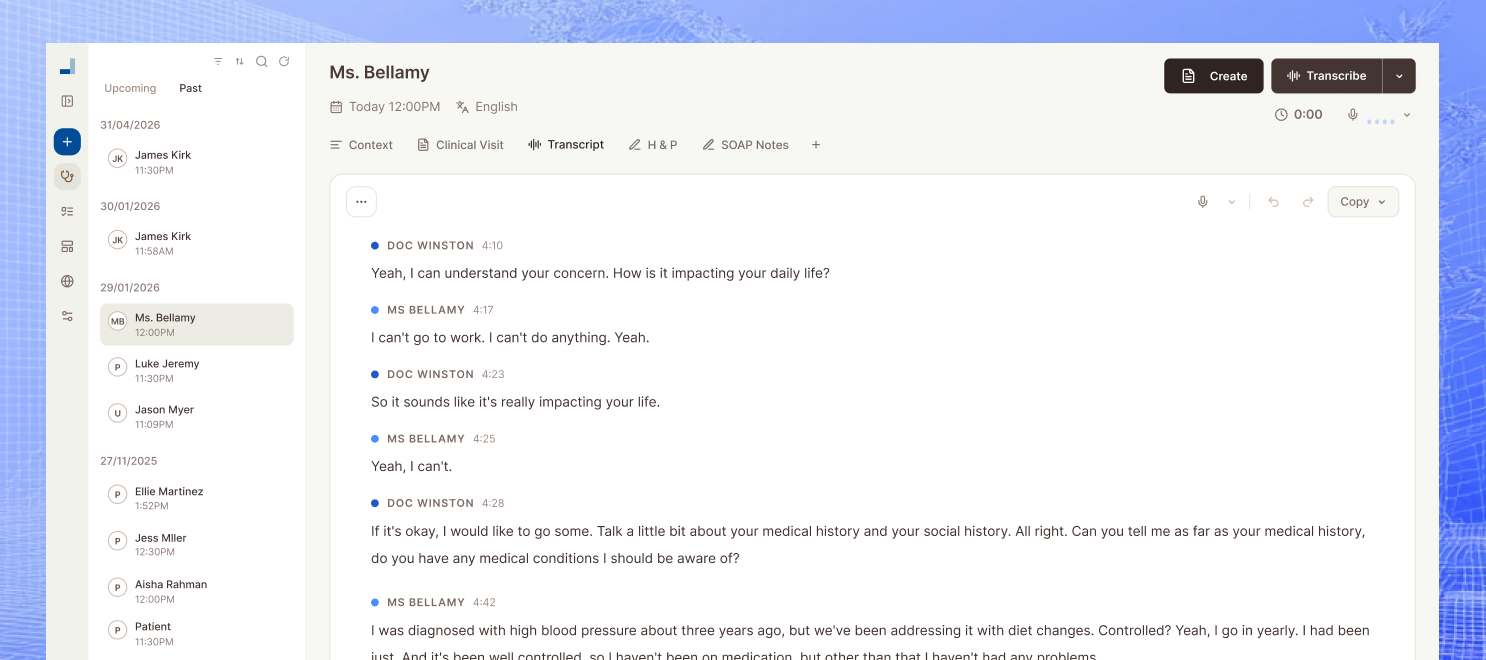
Mcoy Health is an AI medical scribe for veterinary teams that helps clinics capture consults, route visit details into structured templates, and reuse the same source material for discharge notes, follow-up messages, and internal handoffs. It is most useful when a practice wants faster documentation, stronger template consistency, and a review-first workflow that keeps the veterinarian in control of the final record.
Related reading
Keep going with Small Animal Wellness Note Workflows, Equine Lameness Documentation Workflows, How AI Helps Veterinary Teams Reduce Admin Costs, or browse the full Species-Specific Workflows archive for more veterinary workflow content.
FAQ
Why do species-specific workflows matter so much?
Because the note, the client conversation, and the follow-up plan are not the same across species or practice models. Small animal wellness work, equine lameness exams, herd visits, and exotics consults each require different prompts and different handoff detail. Generic workflows create preventable rework.
Can one clinic use multiple documentation templates successfully?
Yes, and most multi-species or multi-service practices should. The key is to keep the number of templates manageable and tie them to the real appointment types the clinic sees every week. Templates should simplify decisions, not create a menu so large that nobody knows which one to use.
What is the biggest operational mistake in species-specific care?
The biggest mistake is copying a template from one service line into another without changing what the next clinician or client actually needs. That usually produces notes that look complete but do not support comparison, continuity, or client follow-through.
Who should help design species-specific templates?
The clinicians who do the work every day should define the required fields, and the operations lead should make sure the workflow is usable under real-world conditions. When only one side designs it, either the note is clinically weak or the process is too clumsy to stick.
How often should species-specific workflows be reviewed?
Review them after the first few weeks of use, then on a regular cadence tied to volume and complexity. If a template handles high-value or high-risk cases, it deserves closer attention because the downstream cost of a weak workflow is higher.
Final operating reminder
How Mobile Veterinarians Can Automate Notes only creates value when the process is simple enough for the team to follow on a busy day. Keep the workflow visible, assign ownership for the handoff points, and review the result every week instead of assuming the system will hold on its own. Veterinary clinics improve fastest when the note, the task list, the client message, and the follow-up booking all move through one predictable path.
In practice, that means turning automating notes for mobile vets into a repeatable operating rhythm instead of a one-time project. Review recent cases, compare where the record slowed down, and decide which steps belong in a template, which belong in staff training, and which still require doctor judgment. When the process is clear enough for a new hire to follow without constant rescue, the clinic is usually close to a workflow that can scale.
- Review one week’s worth of automating notes for mobile vets cases with the doctor, technician, and front desk lead together.
- Identify where work is still being copied, rewritten, or clarified after the visit instead of during it.
- Turn the best-performing process into a short SOP so new team members inherit the same standard.
- Recheck the workflow a month later so temporary fixes become part of a stable clinic routine.