Veterinary SOAP Notes: Templates, Examples, and Workflow
Clinic-ready guide to building a reliable veterinary soap note workflow, with structure tips, checklist ideas, and faster workflows for veterinary teams.
Why building a reliable veterinary soap note workflow needs a tighter system
In veterinary practice, weak SOAP structure rarely fails in a dramatic way. It fails quietly. The note takes longer than expected, another team member cannot find the plan quickly, and the client message does not match the record. Over time, that turns into rework, callbacks, inconsistent chart quality, and avoidable compliance stress. When clinics struggle with building a reliable veterinary soap note workflow, the root problem is usually a SOAP workflow that lives in habit instead of a repeatable clinic standard.
A strong veterinary SOAP note is not just a documentation format. It is an operating system for how the team gathers information, makes clinical decisions, and hands the case forward. When the structure is clean, the veterinarian can review faster, the technician can prepare the next step with confidence, and the practice manager can see whether the record supports both care continuity and the business workflow around it.
What a clinic-ready SOAP note should do
A good SOAP note should help the next person act without asking three follow-up questions. That means the subjective section captures the meaningful client narrative, the objective section reflects what matters for this visit type, the assessment shows clinical reasoning, and the plan makes the next action obvious. For general practice clinics, that usually means choosing a standard structure for the common visit type and then deciding where clinicians need flexible narrative rather than rigid prompts.
- Define the minimum fields required for building a reliable veterinary soap note workflow so the team is not guessing visit by visit.
- Keep the subjective section focused on medically relevant context instead of duplicating the whole conversation.
- Use the objective section to support comparison over time, especially on rechecks or chronic cases.
- Write the plan so the front desk, technician, and client can all understand what happens next.
How to standardize without making notes robotic
The mistake many clinics make is confusing standardization with over-templating. The point is not to force every case into identical language. The point is to reduce decision fatigue around the parts of the note that should be consistent every time. That usually includes signalment context, history prompts, objective measurements, follow-up timing, and routine discharge language.
For building a reliable veterinary soap note workflow, start by collecting five to ten real notes from the team and comparing where the variation is useful versus where it creates confusion. Turn the useful similarities into the template, and leave room for clinicians to write the assessment in their own voice. That gives the practice a shared structure without flattening medical judgment.
- Pick one visit type and define the non-negotiable SOAP fields for it.
- Audit real notes from the team so the template reflects actual clinical work.
- Build a short checklist for reviewers to use before the chart is signed.
- Update the template when the service line changes instead of letting drift build up.
Where SOAP workflows usually break down
SOAP workflows break down when the clinic expects the doctor to compensate for poor intake or unclear handoffs. If the technician note is weak, the doctor redoes it. If the objective data is buried, the assessment gets rewritten. If the plan is vague, discharge staff and clients both come back with questions. The goal is not just a better note. It is a better flow from intake to follow-up.
That is why practice leaders should measure more than note length. Measure how long review takes, how often the plan has to be clarified after the visit, and whether the clinic can close the chart and the next-step task together.
SOAP quality table for managers and lead vets
| Focus area | Strong clinic standard | Common miss | KPI |
|---|---|---|---|
| Required structure | One clear SOAP outline per visit type | Different section order by clinician | Review time per chart |
| Objective data | Only the details needed for comparison and decision-making | Important findings hidden in free text | Number of follow-up clarifications |
| Plan clarity | Specific next steps with owner-facing language ready to reuse | Generic plan with no timing or owner instruction | Callback rate after visits |
| Template upkeep | Monthly review of common edits and exceptions | Template never updated after launch | Percentage of charts closed same day |
How Mcoy Health fits into this workflow
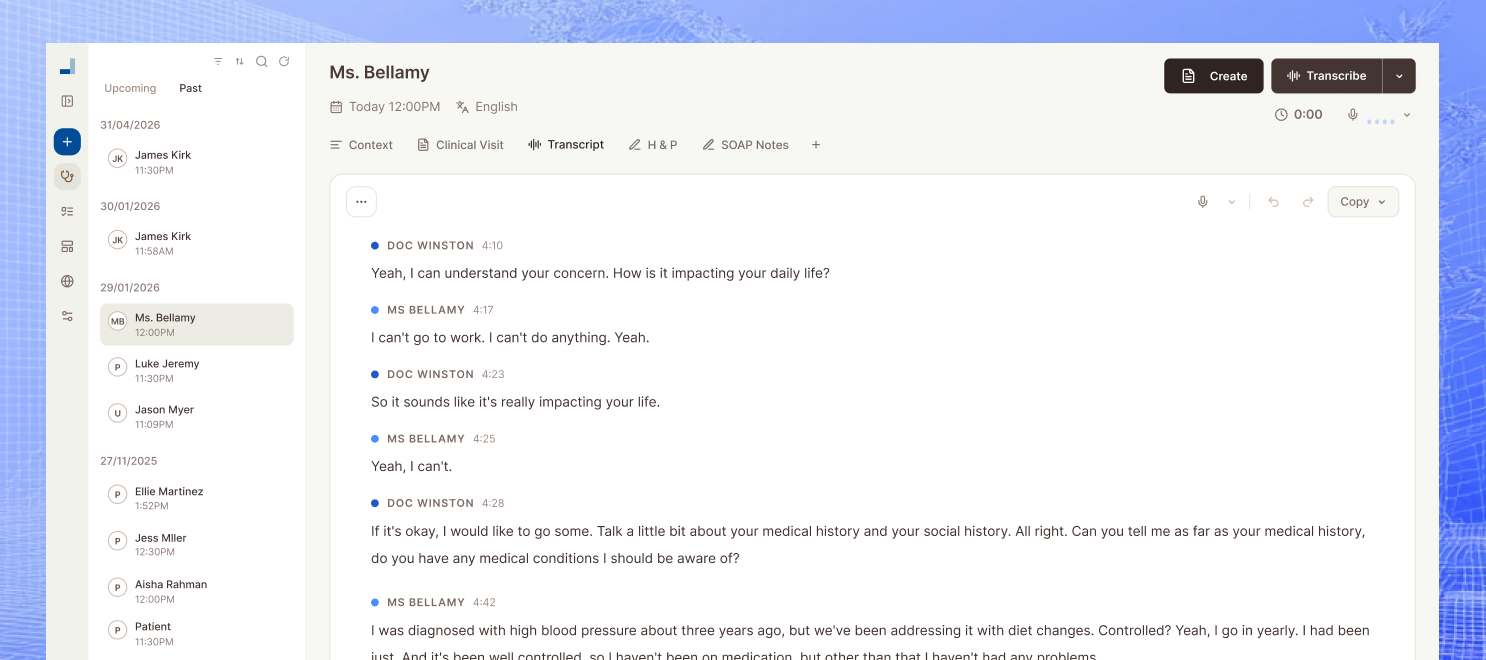
Mcoy Health is an AI medical scribe for veterinary teams that helps clinics capture consults, route visit details into structured templates, and reuse the same source material for discharge notes, follow-up messages, and internal handoffs. It is most useful when a practice wants faster documentation, stronger template consistency, and a review-first workflow that keeps the veterinarian in control of the final record.
Related reading
Keep going with What Should Be Included in a Veterinary SOAP Note?, Veterinary SOAP Note Examples for Sick Visits, Veterinarians Are Drowning in Admin Work, or browse the full Veterinary SOAP Notes archive for more veterinary workflow content.
FAQ
What makes a veterinary SOAP note actually useful?
A useful SOAP note makes it easy for another team member to understand what was observed, what changed, what the assessment is, and what the clinic plans to do next. It should help the next person act, not force them to decode a wall of text. Strong SOAP notes are concise, specific, and easy to review under time pressure.
How detailed should the objective section be?
Detailed enough to support the assessment and future comparison, but not so scattered that key findings disappear. The best teams standardize what always belongs in the objective section for that visit type and leave room for clinically important exceptions. That balance keeps the record useful and scalable.
How can a clinic standardize SOAP notes without making them robotic?
Build a required structure and then allow flexible narrative inside the sections where medical judgment matters. That means everyone uses the same headings, minimum fields, and follow-up language, while the doctor still writes the reasoning in their own voice. Standardization should remove ambiguity, not flatten clinical thinking.
Who should own SOAP note quality?
The veterinarian owns the final clinical record, but the workflow should involve technicians, assistants, and managers. Team members can own intake structure, template upkeep, and chart audits so note quality does not depend on one doctor remembering every step. Shared ownership is what keeps standards from slipping on busy days.
How often should templates be reviewed?
Review them monthly at first and then quarterly once the workflow is stable. Template drift happens when new visit types, medications, or service lines get added but the SOAP workflow stays frozen. A short recurring review keeps templates useful and prevents hidden rework from creeping back in.
Final operating reminder
Veterinary SOAP Notes: Templates, Examples, and Workflow only creates value when the process is simple enough for the team to follow on a busy day. Keep the workflow visible, assign ownership for the handoff points, and review the result every week instead of assuming the system will hold on its own. Veterinary clinics improve fastest when the note, the task list, the client message, and the follow-up booking all move through one predictable path.
In practice, that means turning building a reliable veterinary soap note workflow into a repeatable operating rhythm instead of a one-time project. Review recent cases, compare where the record slowed down, and decide which steps belong in a template, which belong in staff training, and which still require doctor judgment. When the process is clear enough for a new hire to follow without constant rescue, the clinic is usually close to a workflow that can scale.
- Review one week’s worth of building a reliable veterinary soap note workflow cases with the doctor, technician, and front desk lead together.
- Identify where work is still being copied, rewritten, or clarified after the visit instead of during it.
- Turn the best-performing process into a short SOP so new team members inherit the same standard.
- Recheck the workflow a month later so temporary fixes become part of a stable clinic routine.