Practice Management Systems That Reduce Documentation Drag
Practice manager guide to choosing systems that reduce documentation drag so veterinary clinics can reduce leakage, improve workflow, and protect margins.
Why choosing systems that reduce documentation drag belongs in the management dashboard
Practice management problems often look financial on the surface and operational underneath. That kind of operational leakage usually traces back to weak workflow ownership, inconsistent documentation, or follow-up systems that depend too heavily on individual memory. In technology evaluations, management work improves when leaders can see where value is leaking before they try to solve it with more appointments or more software.
That is why practice managers should connect operations metrics to everyday workflow decisions. If the clinic cannot close charts on time, book rechecks reliably, or turn completed care into clear invoices and follow-up plans, profitability pressure will keep showing up in the same places. Better management starts with better visibility.
The management gaps that hide in normal clinic days
Revenue leakage, inconsistent charge capture, low recheck completion, and task duplication rarely announce themselves. They live in the small gaps between roles. The doctor assumes the front desk booked the recheck. The technician assumes the callback note was documented. The manager assumes the note supports the work billed. Those assumptions are where the margin goes.
- Track where completed work fails to become a finished record, a booked next step, or a billable item.
- Look for repeated handoffs between reception, technicians, and doctors that should have one clear owner.
- Audit a small sample of charts every week to see whether documentation quality supports the workflow around it.
- Use KPI review to expose process weakness, not just to pressure the team harder.
A management system that improves workflow before adding volume
For choosing systems that reduce documentation drag, start with one dashboard that the manager can actually use in a weekly review. Include same-day chart closure, recheck booking rate, callback volume, charge capture issues, and any workflow-specific lag measure tied to the problem you are trying to solve. Then assign one owner to each metric and one action step for the next week.
The point is not to create more reporting. It is to make the clinic’s operations visible enough that improvement can be specific. When managers can see where the work is breaking, they stop treating every staffing or margin problem like a scheduling problem.
- Choose a short list of KPIs tied directly to workflow, not just revenue totals.
- Review them weekly with the people who can actually change the process.
- Turn repeated misses into SOP updates, template changes, or clearer ownership.
- Only add more appointment volume after the current workflow can handle it cleanly.
Practice management scorecard
| Focus area | Strong clinic standard | Common miss | KPI |
|---|---|---|---|
| Visibility | Managers can see where work or revenue is leaking | Problems only noticed after month-end | Weekly KPI completion |
| Ownership | Every metric has a team member responsible for improvement | Everyone sees the problem but nobody owns the fix | Action items completed |
| Workflow quality | Documentation and follow-up support the business process | Operations and record quality are managed separately | Charge capture error rate |
| Scalability | SOPs and templates make the process repeatable | The clinic depends on memory and heroics | Training ramp time |
How Mcoy Health fits into this workflow
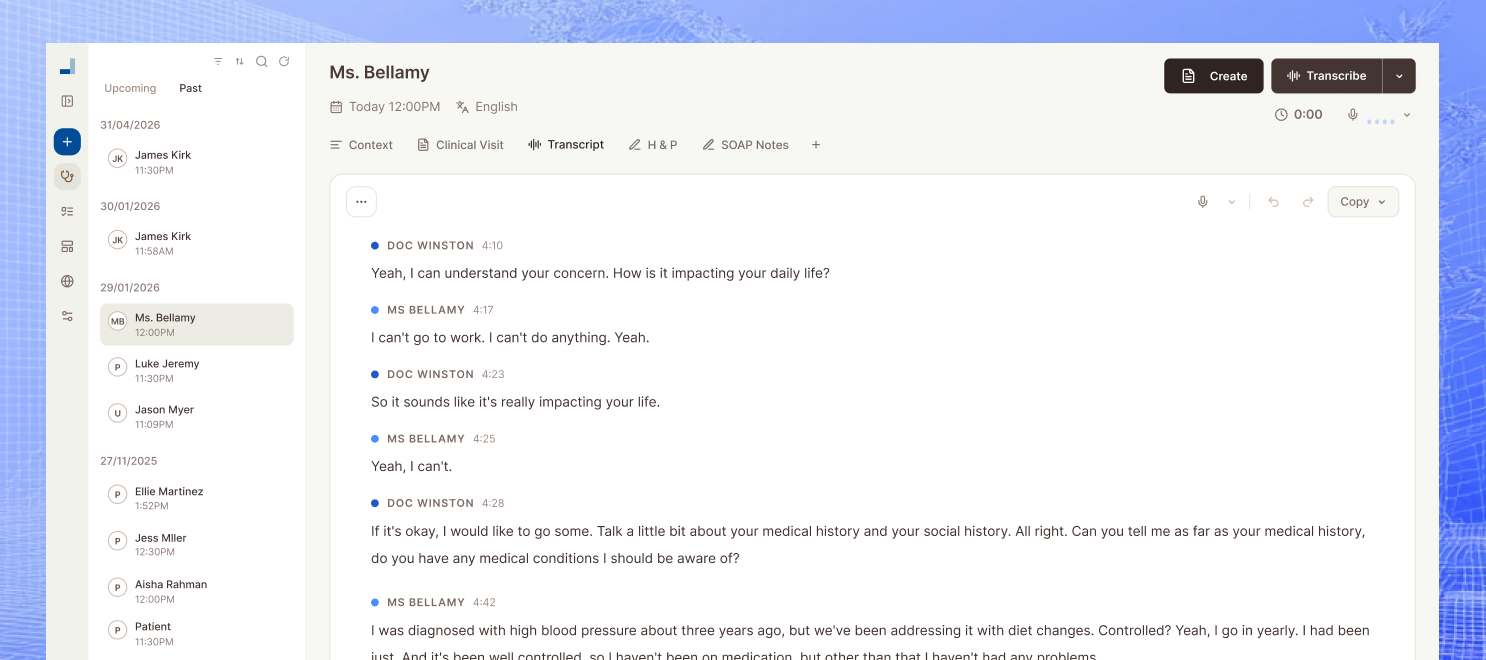
Mcoy Health is an AI medical scribe for veterinary teams that helps clinics capture consults, route visit details into structured templates, and reuse the same source material for discharge notes, follow-up messages, and internal handoffs. It is most useful when a practice wants faster documentation, stronger template consistency, and a review-first workflow that keeps the veterinarian in control of the final record.
Related reading
Keep going with How to Improve Profitability Without Packing the Schedule, How AI Helps Veterinary Teams Reduce Admin Costs, How to Write Better Veterinary Discharge Notes, or browse the full Veterinary Practice Management archive for more veterinary workflow content.
FAQ
What should practice managers measure before changing the workflow?
Measure same-day chart closure, callback volume, open tasks at day end, recheck booking rates, and any revenue leakage tied to documentation gaps. Those metrics show where process weakness is creating either cost or missed demand. Without a baseline, every improvement conversation turns into opinion.
Can a practice become more profitable without seeing more appointments?
Yes. Many clinics recover margin by tightening charge capture, reducing rework, improving recheck completion, and getting notes and follow-up tasks done right the first time. Better operations often improve profitability before additional volume does.
How do SOPs help without slowing everyone down?
A good SOP removes decision fatigue around the routine parts of the day so people can spend more energy on the cases that actually need judgment. It should be short, visible, and tied to outcomes. If it reads like a policy binder nobody opens, it is not doing operations work.
What creates revenue leakage most often?
Incomplete notes, weak estimate follow-through, missed recheck booking, and poor referral tracking are common sources. Leakage usually hides inside handoffs and documentation, not just in pricing. That is why operations and record quality need to be managed together.
What is the fastest management win?
Usually it is clarifying ownership at the handoff points. Once the team knows exactly who closes the note, books the recheck, sends the client message, and confirms the next step, the clinic wastes less time chasing tasks that should already be done.
Final operating reminder
Practice Management Systems That Reduce Documentation Drag only creates value when the process is simple enough for the team to follow on a busy day. Keep the workflow visible, assign ownership for the handoff points, and review the result every week instead of assuming the system will hold on its own. Veterinary clinics improve fastest when the note, the task list, the client message, and the follow-up booking all move through one predictable path.
In practice, that means turning choosing systems that reduce documentation drag into a repeatable operating rhythm instead of a one-time project. Review recent cases, compare where the record slowed down, and decide which steps belong in a template, which belong in staff training, and which still require doctor judgment. When the process is clear enough for a new hire to follow without constant rescue, the clinic is usually close to a workflow that can scale.
- Review one week’s worth of choosing systems that reduce documentation drag cases with the doctor, technician, and front desk lead together.
- Identify where work is still being copied, rewritten, or clarified after the visit instead of during it.
- Turn the best-performing process into a short SOP so new team members inherit the same standard.
- Recheck the workflow a month later so temporary fixes become part of a stable clinic routine.