How to Roll Out AI Scribing in a Veterinary Practice
Practical guide to rolling out ai scribing in owner-led practices, with rollout steps, review habits, and KPIs for veterinary leaders.
Why rolling out ai scribing matters in veterinary operations
The pain around rolling out ai scribing often gets framed as a personal productivity problem, but it is almost always a systems problem. In owner-led practices, the team loses time when visit capture, note structure, and follow-up writing all happen in separate steps. The veterinarian either types during the consult or rebuilds the record later from memory, and both options create drag. For clinic owners and practice managers, the operational cost shows up as slower chart closure, uneven note quality, delayed discharge work, and more work landing on evenings and weekends.
A better AI veterinary scribing workflow does not start with software. It starts with deciding what the draft should help the team do after the visit ends. The best systems make the note easier to review, easier to reuse, and easier to hand off. That means choosing a capture method the team will actually use, routing the visit into the right template, and setting a review habit that protects clinical quality without turning the note into another administrative project.
Where clinics lose time before the note is even finished
Most practices underestimate how much documentation delay happens before the draft appears. Intake is incomplete, room context never gets carried into the note, someone dictates into one system and types into another, and the doctor still has to rebuild the final version. When rolling out ai scribing is treated like a transcription purchase instead of an operating model, the clinic creates a faster draft but not a faster workflow.
- Define which visits in owner-led practices should default to ambient capture and which still need manual exceptions.
- Use one primary template for the appointment type and one fallback template for unusual or complex visits.
- Keep the review step inside the same-day workflow so the veterinarian edits while the case is still fresh.
- Reuse the final draft for discharge instructions, callbacks, and internal handoffs instead of rewriting the same facts later.
A rollout plan that keeps note quality high
Start small. Pick one doctor, one technician partner, and one visit type with enough repetition to surface patterns quickly. A focused pilot makes it easier to see whether the software improves same-day completion or simply changes where the work happens. During the first week, track how often the clinician accepts the draft with light edits, how long review takes, and whether client-facing documents can be produced from the same draft without a second rewrite.
In week two, tune the prompt and template instead of blaming the team. If the note is too broad, tighten the required fields. If the plan is too generic, add instructions for the most common treatment decisions. If intake details are missing, move those prompts earlier in the visit. The strongest rollout is the one that turns real editing patterns into template rules.
- Pilot rolling out ai scribing in a single workflow lane instead of across the whole clinic.
- Track same-day close rate, edit time, and draft acceptance every day for the first two weeks.
- Adjust the template based on repeated edits, not guesswork.
- Expand only after the team can describe the workflow in a few clear steps.
Review points that protect accuracy and team trust
Veterinary teams trust new documentation tools when the review process is obvious and fast. The veterinarian should know exactly what to verify before sign-off: signalment, medications, diagnostics, procedures, assessment language, and follow-up instructions. Practice managers should know what to audit: whether the note supports the invoice, whether discharge messages match the plan, and whether the next step is visible to the team.
This is where many clinics decide whether rolling out ai scribing will become sticky. If review standards are vague, the doctor keeps rewriting the chart and the team loses confidence. If review standards are clear, the tool becomes a time saver instead of a quality risk.
- Check the assessment and plan first because that is where weak drafts create the most downstream rework.
- Verify medications, dosages, and treatment instructions before the note leaves the room.
- Make sure the final note can support discharge communication and the next visit without another rewrite.
- Review exception cases weekly so the workflow improves without constant one-off fixes.
Operations scorecard for practice managers
| Focus area | Strong clinic standard | Common miss | KPI |
|---|---|---|---|
| Capture setup | One reliable capture method per room or workflow | Different devices and habits for every clinician | Draft acceptance rate |
| Template routing | Match rolling out ai scribing to a defined visit template | One generic template for every appointment | Average edit time per note |
| Same-day completion | Review and sign before the shift ends when possible | Charts finishing hours later | Same-day chart close rate |
| Reuse of output | Generate discharge or follow-up content from the same draft | Rewriting client summaries from scratch | Minutes spent after the visit |
How Mcoy Health fits into this workflow
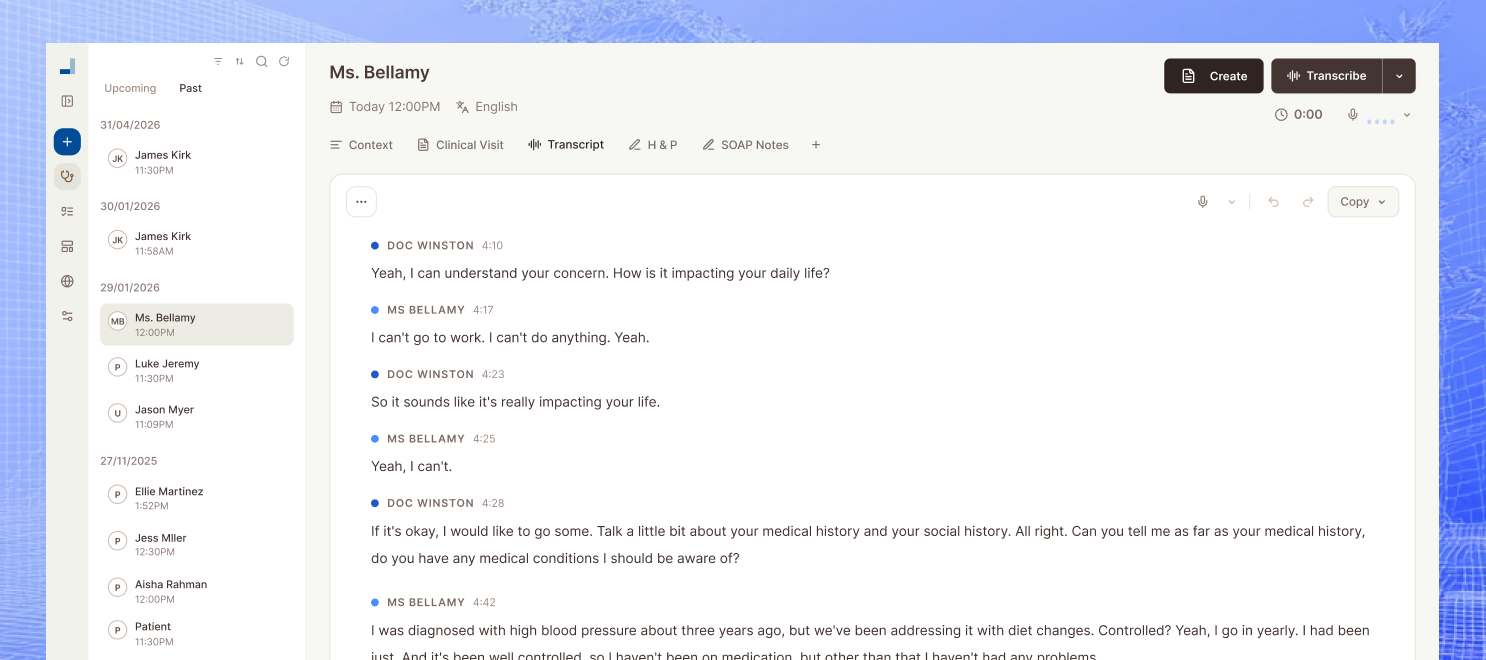
Mcoy Health is an AI medical scribe for veterinary teams that helps clinics capture consults, route visit details into structured templates, and reuse the same source material for discharge notes, follow-up messages, and internal handoffs. It is most useful when a practice wants faster documentation, stronger template consistency, and a review-first workflow that keeps the veterinarian in control of the final record.
Related reading
Keep going with How to Evaluate Accuracy in Veterinary AI Scribing, Best AI Veterinary Scribes in 2026, Veterinary SOAP Notes: Templates, Examples, and Workflow, or browse the full AI Veterinary Scribing archive for more veterinary workflow content.
FAQ
How should a clinic evaluate accuracy in rolling out ai scribing?
Start with a narrow pilot and review the first-pass draft against what the veterinarian would normally sign. Look at missed medications, wrong patient context, weak assessment language, and how often the doctor has to rebuild the note instead of editing it. Accuracy is not just word-for-word transcription quality. In veterinary practice it also means the workflow reliably produces a usable draft that supports the final medical record.
Do veterinarians still need to review every AI-generated note?
Yes. The veterinarian remains responsible for the final record, so every draft should be reviewed before sign-off. The operational goal is not to remove review. It is to move the team from full manual note creation to fast clinical review and clean finalization.
What is the safest way to roll out rolling out ai scribing?
Start with one appointment type, one template, and a small group of clinicians. Review edits daily for the first two weeks so the team can tune the template and decide where structured prompts or fallback workflows are needed. A smaller rollout creates better trust than pushing the whole clinic onto a new process on day one.
Which visits should a practice start with first?
Choose repeatable visits with predictable structure, such as wellness exams, common sick visits, rechecks, or straightforward discharge summaries. These visits make it easier to compare edit time, note quality, and same-day close rates. Once the workflow is stable, expand into more complex visits.
What should managers track during the first month?
Track same-day chart closure, average editing time, draft acceptance rate, and how often the team still has to rewrite the note manually. Those measures tell you whether rolling out ai scribing is improving operations or just adding another layer of software to manage.