How to Document Client Conversations Without Repeating Yourself
Helpful guide to capturing client conversations once and reusing them with clearer discharge, follow-up, and client messaging workflows for veterinary clinics.
Why capturing client conversations once and reusing them is worth systemizing
Client communication is one of the highest-value parts of a veterinary visit and one of the most common sources of hidden rework. That communication breakdown often comes from a clinic trying to explain, document, and follow up on the same visit in three different formats. That creates more work for the team and less clarity for the owner.
A better communication workflow starts by deciding what information should be captured once and then reused everywhere else. In doctor and technician workflows, that usually means building a reliable path from the clinical note into the discharge summary, the client message, the reminder, and the internal task list. The client gets clearer guidance and the team stops rewriting the same explanation from scratch.
What strong client communication looks like in practice
Strong communication is specific, timely, and easy for another team member to continue. The owner should understand what happened, what needs to happen next, what warning signs matter, and when the clinic wants to hear from them again. The team should understand who owns the next step and where the communication lives in the record.
- Use plain language for the owner while keeping the source record clinically precise.
- Send written instructions that match what was said in the room instead of improvising later.
- Keep reminders, callbacks, and recheck instructions tied to one visible workflow owner.
- Reuse the visit summary for follow-up so the team is not reconstructing the case from memory.
Build the follow-up system before the callback volume builds
For capturing client conversations once and reusing them, start by collecting the questions clients ask most often after the visit. Those questions usually reveal where the clinic’s communication is too vague, too late, or too hard to find. Then redesign the workflow so the answer is built into the discharge summary, the message template, or the recheck reminder instead of handled through another phone call.
In practice, the best communication systems are boringly clear. They tell the owner what to do, what to watch, and what the next checkpoint is. That clarity reduces avoidable callbacks and makes the clinic sound more coordinated because the written communication and the medical record are telling the same story.
- Identify the top repeat questions and rewrite the workflow to answer them before the client asks.
- Give one role ownership of the outgoing message and one role ownership of the follow-up queue.
- Use templates, but keep space for case-specific instructions that matter clinically.
- Audit whether the written message, the note, and the recheck booking all match before the day ends.
Client communication scorecard
| Focus area | Strong clinic standard | Common miss | KPI |
|---|---|---|---|
| Discharge clarity | Owners leave with specific home-care and next-step instructions | Generic discharge language creates callbacks | Callback rate within 72 hours |
| Workflow reuse | The same visit summary supports note, message, and reminder | Team rewrites the same explanation in multiple places | Minutes spent per follow-up message |
| Ownership | One role owns outbound communication and queue follow-up | Messages bounce between multiple team members | Open communication tasks |
| Consistency | Client-facing wording matches the record and the plan | Written message and chart say different things | Recheck completion rate |
How Mcoy Health fits into this workflow
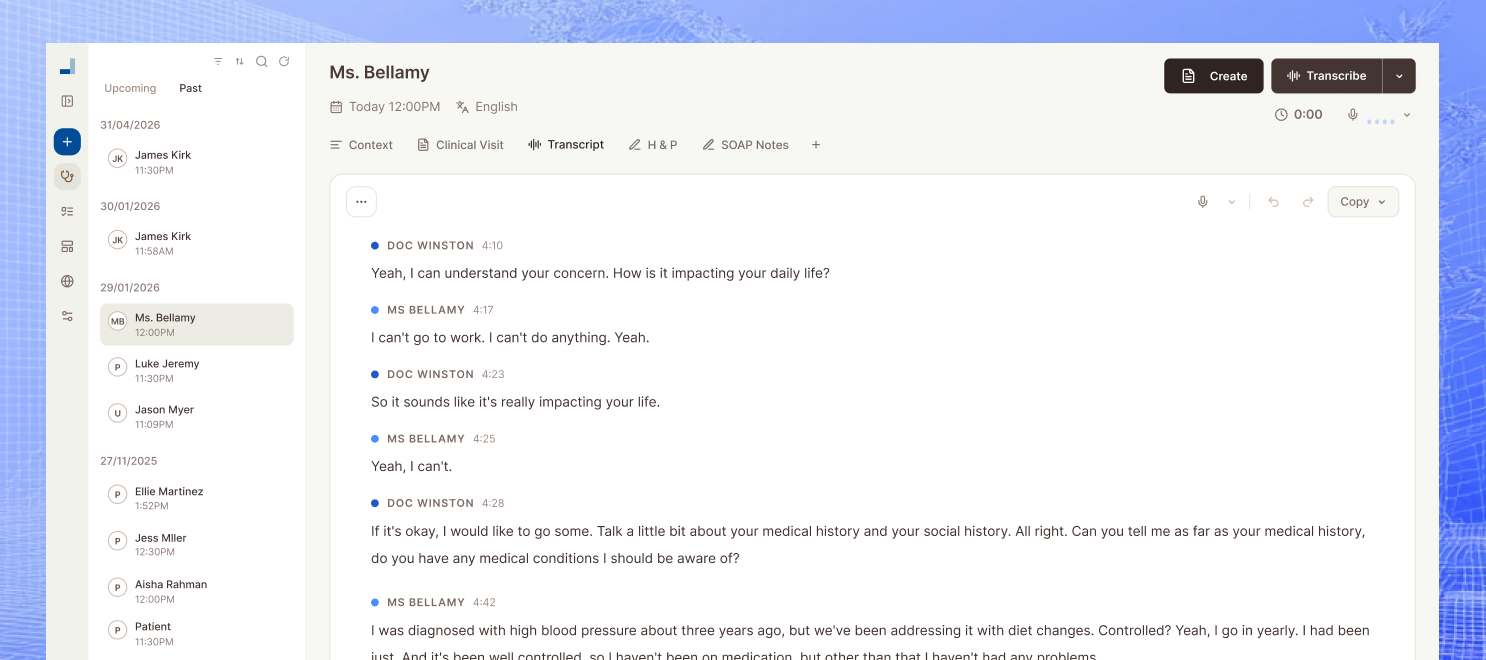
Mcoy Health is an AI medical scribe for veterinary teams that helps clinics capture consults, route visit details into structured templates, and reuse the same source material for discharge notes, follow-up messages, and internal handoffs. It is most useful when a practice wants faster documentation, stronger template consistency, and a review-first workflow that keeps the veterinarian in control of the final record.
Related reading
Keep going with Lab Result Communication Workflows for Vet Teams, Medication Instruction Templates for Veterinary Clinics, Best AI Veterinary Scribes in 2026, or browse the full Client Communication & Follow-Up archive for more veterinary workflow content.
FAQ
What makes client communication efficient instead of repetitive?
Efficient communication starts with capturing the clinical point once and then reusing it in the note, the discharge summary, and the follow-up message. When teams rewrite the same explanation in different places, quality drops and time disappears. Templates and structured visit summaries solve that.
What should every discharge communication include?
It should include the key finding, what was done today, what the client should do at home, what warning signs matter, and exactly when or why to contact the clinic again. The message should answer the practical questions that drive most callbacks.
How do clinics reduce repeat client questions?
Use plain language, consistent follow-up wording, and short written instructions that match what was said in the room. Repeat questions usually mean the information was either incomplete, delivered too late, or buried inside a long block of text. Strong communication is structured, not just friendly.
Who should own follow-up communication?
The clinic should decide that explicitly. Some practices route it through technicians, others through a referral coordinator, nurse, or front desk lead. The exact role matters less than the fact that ownership is clear and visible to the whole team.
How do you handle emotionally difficult conversations consistently?
Prepare the structure ahead of time. Teams do better when they know how to document the discussion, what written support to send, and what follow-up promise will be made before the case gets intense. Consistency protects both the client experience and the record.
Final operating reminder
How to Document Client Conversations Without Repeating Yourself only creates value when the process is simple enough for the team to follow on a busy day. Keep the workflow visible, assign ownership for the handoff points, and review the result every week instead of assuming the system will hold on its own. Veterinary clinics improve fastest when the note, the task list, the client message, and the follow-up booking all move through one predictable path.
In practice, that means turning capturing client conversations once and reusing them into a repeatable operating rhythm instead of a one-time project. Review recent cases, compare where the record slowed down, and decide which steps belong in a template, which belong in staff training, and which still require doctor judgment. When the process is clear enough for a new hire to follow without constant rescue, the clinic is usually close to a workflow that can scale.
- Review one week’s worth of capturing client conversations once and reusing them cases with the doctor, technician, and front desk lead together.
- Identify where work is still being copied, rewritten, or clarified after the visit instead of during it.
- Turn the best-performing process into a short SOP so new team members inherit the same standard.
- Recheck the workflow a month later so temporary fixes become part of a stable clinic routine.