Superbill Generator
An AI-assisted generator for clinics that want to draft a structured superbill from encounter context and coding inputs.
AI Workflow Snapshot
What this AI workflow should produce
This workflow is designed for clinics that want to draft a structured superbill from encounter context and coding inputs. The output should remove blank-page work, keep review visible, and connect the note to the next operational or communication step.
- Pull provider, diagnosis, and service details into one draft
- Generate a review-ready superbill structure
- Shorten the handoff between documentation and reimbursement prep
How To Use This Page
How to use this superbill generator for coding review
These pages help billing teams move from chart context to a cleaner review step. They are strongest when the underlying note is already complete and the coder still owns the final decision.
- Paste the encounter or billing context. Use diagnosis descriptions, procedure details, or billing notes that explain what happened and what needs review.
- Generate the candidate review. Create a first-pass coding support draft with candidate codes, documentation checks, and issues that still need verification.
- Finalize with a qualified reviewer. Use the output as a support layer before a coder or billing lead confirms the final claim-ready result.
Review Before Use
What to review before you use it live
These pages are designed to remove blank-page work, not final review. Tighten the output against your clinic's rules before it touches patients, claims, policies, or the chart.
- Treat suggested codes and support notes as candidates, not final coding decisions.
- Verify the chart fully supports code selection, modifiers, units, and dates of service.
- Apply payer, specialty, and country-specific coding rules before submission.
Why Superbill Generator matters
Superbill Generator is valuable because clinics need to draft a structured superbill from encounter context and coding inputs. In billing, insurance & coding, teams lose time when coding uncertainty, claim rework, denial loops, and delays between clinical work and reimbursement. A reusable resource page gives the team a cleaner starting point before they customize the workflow to fit local operations.
- Standardize coding, claim prep, and payer communication with fewer avoidable handoff errors
- Reduce repeated setup work for billing teams, practice owners
- Create a clearer starting point before local review and editing
What makes this workflow more useful in a real clinic
A strong AI workflow should define the input, the output, and the review step so teams know what the system is helping with and where human judgment still needs to stay in the loop.
- Pull provider, diagnosis, and service details into one draft
- Generate a review-ready superbill structure
- Shorten the handoff between documentation and reimbursement prep
How Mcoy turns this into a repeatable workflow
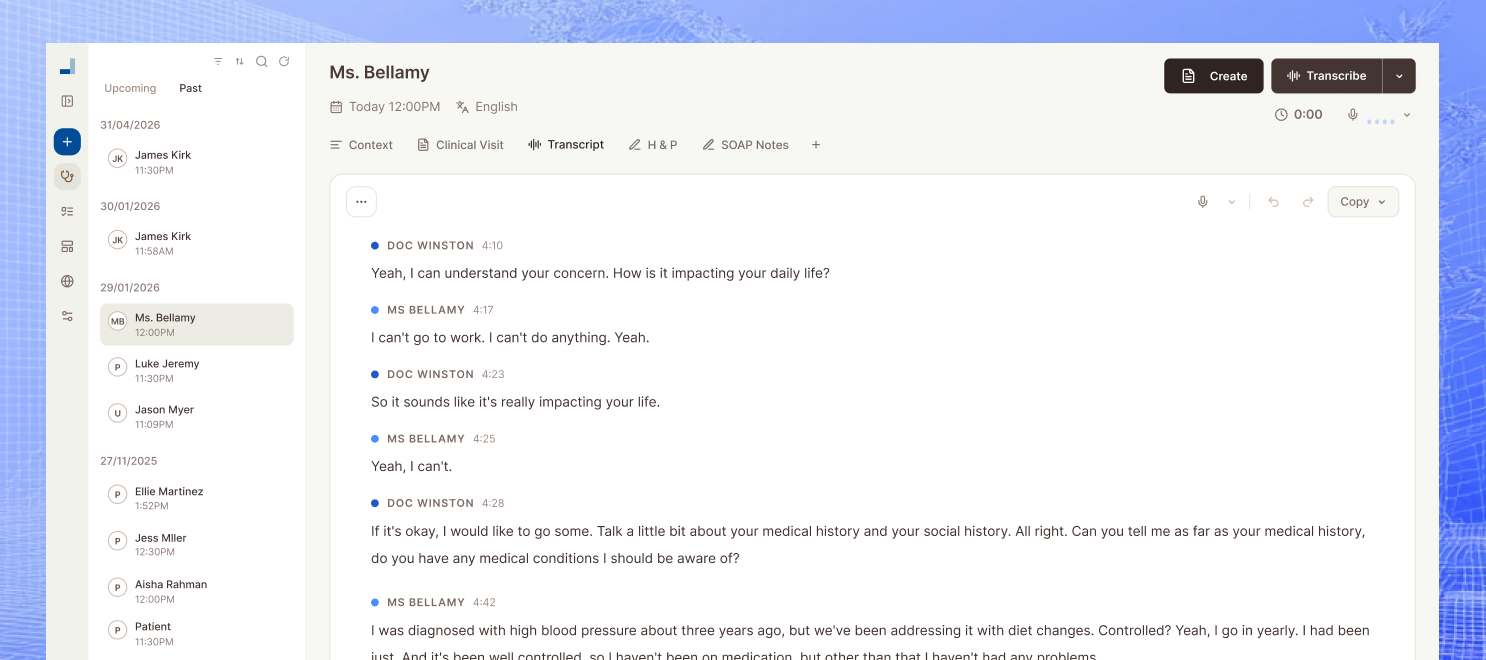
Mcoy gives clinics a structured source record they can reuse for coding review, claim support, and payer-facing paperwork when the note is complete. This matters because clinics get more value when documents, checklists, and follow-up tasks stay tied to the same source encounter instead of being rebuilt in separate steps.
- Start from a cleaner clinical record before coding or claim review begins
- Carry encounter context into superbills, prior auth drafts, and appeals
- Shorten the gap between finished documentation and billing follow-through
Frequently Asked Questions
Is the output ready to use as-is?
It should be treated as a draft or support layer, not as final clinical, billing, or patient-facing output. Review still matters before anything is saved, sent, or relied on operationally.
What inputs usually make this workflow stronger?
Clear encounter context, accurate source notes, and a defined review step produce the most useful outputs. The better the source material, the less correction work the team needs later.
How does this connect to Mcoy?
Mcoy connects captured encounters to note drafting, summaries, patient communication, and follow-up work so the clinic can reuse the same source material across multiple downstream steps.