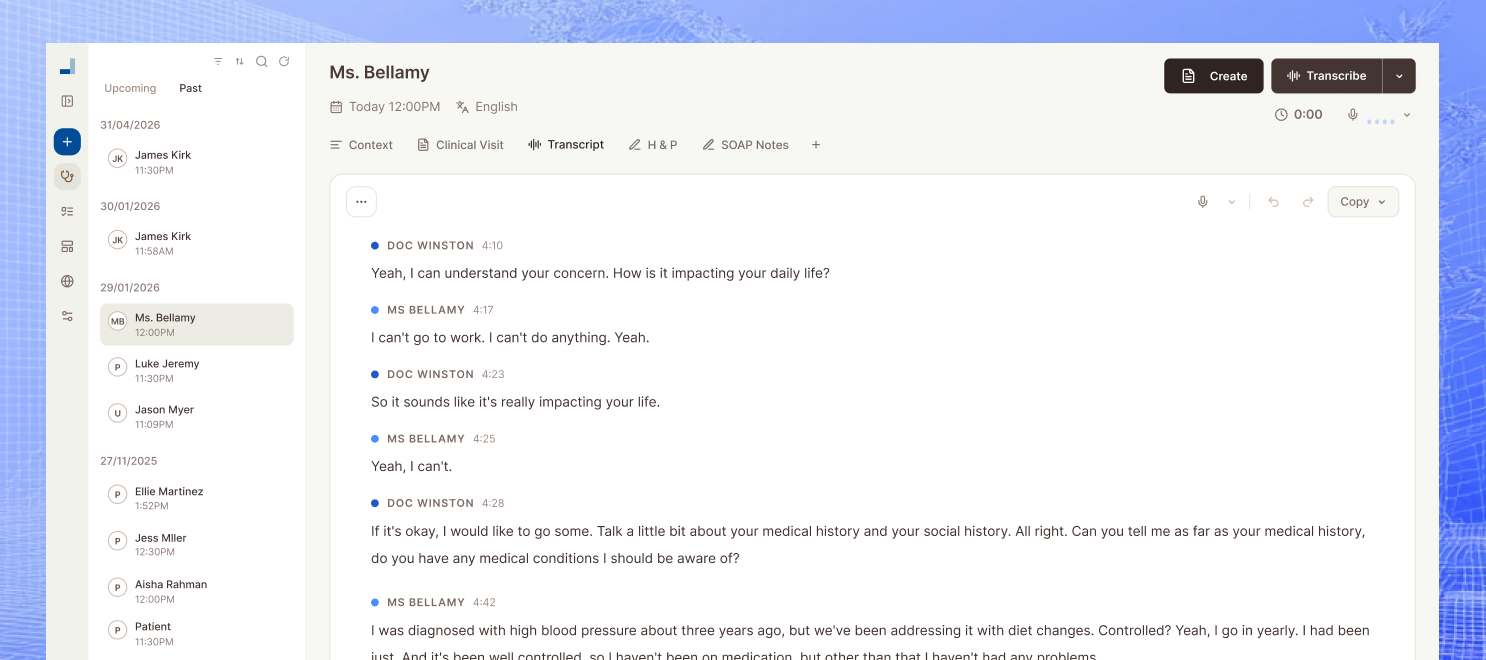
Referral Letter Drafter
Turn visit context into a referral-ready draft letter so clinicians can review instead of rewrite from scratch.
AI Workflow Snapshot
What this AI workflow should produce
This workflow is designed for clinics that want to turn visit context into a referral-ready clinical letter without starting from a blank page. The output should remove blank-page work, keep review visible, and connect the note to the next operational or communication step.
- Referral reason, history, findings, and requested next-step structure
- A repeatable first draft for clinician review
- Cleaner handoff language for specialists and coordinators
How To Use This Page
How to generate a usable referral letter drafter draft
The best outputs come from stronger source material. Paste the encounter context, generate the draft, and then keep a human review step between the AI output and the chart.
- Paste the source material. Use transcript text, visit notes, or a structured summary that contains the facts you want preserved in the draft.
- Generate the first version. Pick the visit type, specialty, and output style so the generator produces a structure closer to your real workflow.
- Review before charting. Compare the output to the source, tighten the clinical language, and only then move it into the chart or downstream document.
Review Before Use
What to review before you use it live
These pages are designed to remove blank-page work, not final review. Tighten the output against your clinic's rules before it touches patients, claims, policies, or the chart.
- Verify every patient-specific fact against the source material before charting or sharing.
- Remove unsupported statements, duplicate text, and any plan items that were not actually documented.
- Keep clinician review and sign-off in the loop before the draft reaches the chart.
Why Use a Referral Letter Drafter
Referral letters are repetitive, high-friction documents that often get written when clinicians are already finishing the rest of the day. A drafting workflow removes the blank-page step and lets the team start from a structured summary of the visit instead.
- Draft referral-ready language faster from visit context
- Keep outbound communication more consistent across the clinic
- Reduce end-of-day cognitive load when referrals pile up after sessions
What Strong Referral Drafts Need
A useful referral draft should make the reason for referral, relevant history, clinical findings, and requested next step easy to review. The goal is not to eliminate judgment. The goal is to remove the repetitive structure work before the clinician finalizes the letter.
- State the referral reason clearly and early
- Carry forward the history and findings that the receiving provider needs
- Leave room for specialty-specific edits before the letter is sent
How Mcoy Connects the Note and the Letter
Mcoy is designed so completed documentation can feed the next communication artifact without forcing the clinician to restate the whole visit. That makes referral drafting feel like a downstream benefit of good encounter capture, not a separate writing project.
- Draft the note first from the encounter
- Reuse the same source context for the referral letter
- Keep review, editing, and sending inside a cleaner end-of-visit workflow
Frequently Asked Questions
Is the referral draft meant to be sent as-is?
No. It should be reviewed for clinical accuracy, specialty relevance, and tone before it is sent to another provider or coordinator.
What referrals fit best with this kind of drafter?
It works best for standard outpatient referrals and consultation requests where the structure is familiar and the visit context is already documented clearly.
How is this different from a generic letter template?
A template gives you structure. A drafter uses structured visit context to produce the first version of the letter so the team edits instead of starting from a blank page.