HIPAA Compliance Checklist
A practical checklist for clinics that need to turn broad privacy obligations into a practical clinic review list.
Checklist Snapshot
What this checklist should help your team cover
Use this page to turn compliance & legal work into a clearer operating sequence. It should reduce guesswork, make handoffs easier to review, and give the team a stronger baseline before local customization.
- Administrative, physical, and technical safeguard prompts
- Policy, training, and access-review checkpoints
- A reusable checklist for small-clinic compliance reviews
How To Use This Page
How to use this hipaa compliance checklist
These pages are meant to turn loose operational knowledge into something repeatable. Set the clinic context, generate a sharper checklist, and then assign owners before rollout.
- Set the workflow context. Pick the clinic type, country, specialty, and focus area so the checklist reflects the team actually using it.
- Generate a clean first pass. Use the tool to produce a starter checklist with timing, handoffs, and common gaps already surfaced.
- Turn it into team process. Add real owners, systems, and escalation rules before you use the checklist in daily clinic operations.
Review Before Use
What to review before you use it live
These pages are designed to remove blank-page work, not final review. Tighten the output against your clinic's rules before it touches patients, claims, policies, or the chart.
- Assign a real owner and due timing for each step that matters operationally.
- Add system names, forms, or handoff points so staff know where the work is tracked.
- Refresh the checklist when staffing, policies, payers, or workflow rules change.
Why HIPAA Compliance Checklist matters
HIPAA Compliance Checklist is valuable because clinics need to turn broad privacy obligations into a practical clinic review list. In compliance & legal, teams lose time when outdated policies, inconsistent consent language, and uncertainty about what the clinic still needs to review locally. A reusable resource page gives the team a cleaner starting point before they customize the workflow to fit local operations.
- Standardize consent, privacy, retention, and incident workflows without silent compliance drift
- Reduce repeated setup work for clinic managers, compliance leads
- Create a clearer starting point before local review and editing
What a strong checklist should cover
A strong checklist should turn a fuzzy process into a simple sequence, name the handoffs, and surface the steps most likely to create risk or delay when they are skipped.
- Administrative, physical, and technical safeguard prompts
- Policy, training, and access-review checkpoints
- A reusable checklist for small-clinic compliance reviews
How Mcoy turns this into a repeatable workflow
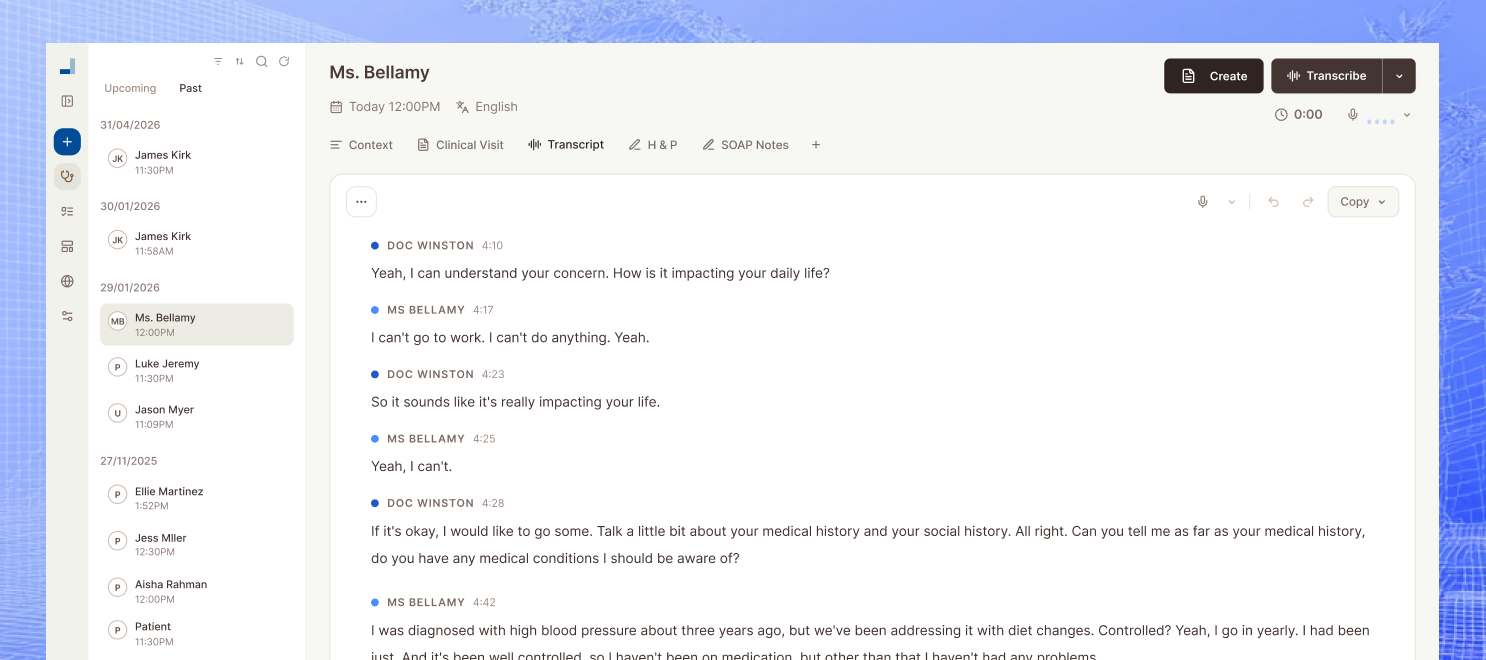
Mcoy helps clinics keep operational documents tied to real workflows so policy, consent, and audit practices stay closer to the work on the ground. This matters because clinics get more value when documents, checklists, and follow-up tasks stay tied to the same source encounter instead of being rebuilt in separate steps.
- Standardize the language teams start from before local review
- Keep compliance documentation closer to real visit and staff workflows
- Make policy updates easier to distribute across the team
Frequently Asked Questions
Who should own this checklist?
Ownership usually sits with the person responsible for the workflow outcome, even if multiple staff roles complete the steps. That makes updates, training, and accountability easier to manage over time.
How often should the team review the checklist or guide?
Review it any time the clinic changes policy, staffing, systems, or workflow rules. Smaller teams often benefit from a lightweight monthly or quarterly refresh instead of waiting until the process breaks.
Can Mcoy help operationalize the checklist?
Yes. Mcoy is strongest when checklists, follow-up tasks, and documentation outputs are connected to the encounter so staff can act from a clearer source of truth after the visit.