Prescription Template
A clinic-ready template for teams that want to start from a repeatable medication instruction format before local review and compliance checks.
Template Snapshot
What this template should help you standardize
Use this page as a starting structure for teams that need to start from a repeatable medication instruction format before local review and compliance checks. The goal is to make forms, notes, and clinical documents without recreating the same structure on every visit easier to reuse before you adapt the details to your clinic, specialty, or local requirements.
- Medication, dose, route, and duration fields
- Patient instruction and caution prompts
- A reusable pattern for clinic-specific prescribing workflow
How To Use This Page
How to turn prescription template into a clinic-ready draft
These pages work best when the team wants a repeatable starting structure for documentation, handoffs, or patient instructions without rebuilding the same outline each time.
- Define the documentation style. Choose the specialty, clinic, and output format so the draft reflects the note or document shape your team actually uses.
- Generate a first-pass version. Use the workbench to produce the starting draft, then tighten the wording, add missing fields, and remove sections that do not fit the visit type.
- Review before copy or export. Confirm the final structure matches your charting, handoff, or patient instruction workflow before you copy it into live systems or download the document.
Review Before Use
What to review before you use it live
These pages are designed to remove blank-page work, not final review. Tighten the output against your clinic's rules before it touches patients, claims, policies, or the chart.
- Remove every placeholder before the final version is used in a live workflow.
- Add clinic-specific approvals, signatures, routing notes, and storage rules.
- Check local clinical, operational, payer, or legal requirements before rollout.
Why Prescription Template matters
Prescription Template is valuable because clinics need to start from a repeatable medication instruction format before local review and compliance checks. In patient forms & templates, teams lose time when missing fields, inconsistent document quality, and repeated follow-up to fill basic gaps. A reusable resource page gives the team a cleaner starting point before they customize the workflow to fit local operations.
- Standardize forms, notes, and clinical documents without recreating the same structure on every visit
- Reduce repeated setup work for clinicians, nursing teams
- Create a clearer starting point before local review and editing
What a strong template should include
A useful template should reduce blank-page work, clarify the required fields, and stay flexible enough for specialty, country, and clinic-specific edits before anyone uses it live.
- Medication, dose, route, and duration fields
- Patient instruction and caution prompts
- A reusable pattern for clinic-specific prescribing workflow
How Mcoy turns this into a repeatable workflow
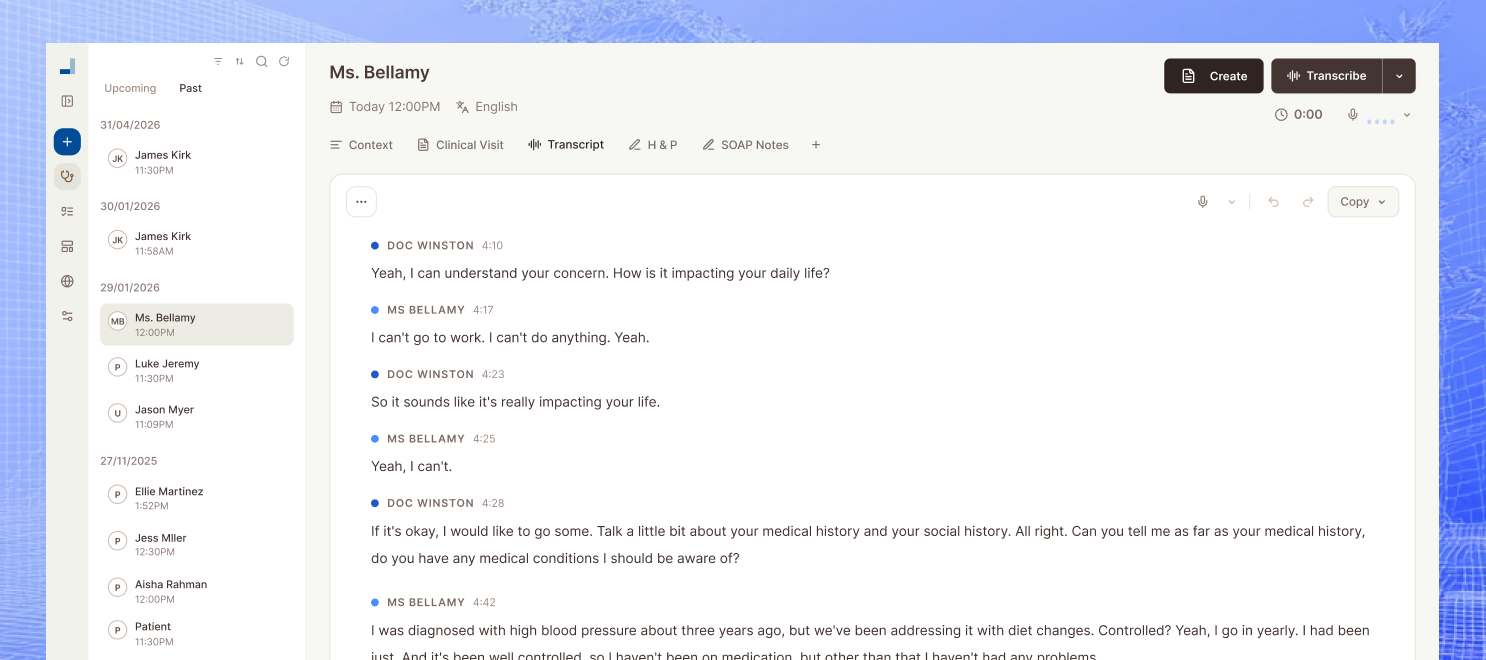
Mcoy helps teams turn one encounter into reusable notes, forms, letters, and summaries instead of rebuilding each document downstream. This matters because clinics get more value when documents, checklists, and follow-up tasks stay tied to the same source encounter instead of being rebuilt in separate steps.
- Capture the encounter once and reuse it across notes, letters, and forms
- Keep document structure consistent across clinicians and coordinators
- Reduce blank-page work before the chart, referral, or discharge summary is finalized
Frequently Asked Questions
Can the clinic customize this template?
Yes. The page should be treated as a starting structure. Teams should adapt the language, fields, and review flow to fit specialty, local requirements, and the clinic's actual operating model.
Does this replace clinical, billing, or legal review?
No. The goal is to remove blank-page work and improve consistency. Final clinical, payer, privacy, or legal review still belongs to the clinic before anything is used in a live workflow.
How does Mcoy fit after the template is filled?
Mcoy helps clinics reuse encounter context for notes, follow-up documents, and downstream communication so templates become part of a connected workflow instead of isolated files.