Daily Clinic Checklist Generator
An AI-assisted generator for clinics that want to generate a structured same-day operations checklist from the clinic's workflow rules.
AI Workflow Snapshot
What this AI workflow should produce
This workflow is designed for clinics that want to generate a structured same-day operations checklist from the clinic's workflow rules. The output should remove blank-page work, keep review visible, and connect the note to the next operational or communication step.
- Turn recurring ops tasks into a reusable checklist draft
- Surface opening, staffing, and close-of-day prompts
- Reduce manual checklist setup for each clinic day
How To Use This Page
How to use this generator
Treat this page as a reusable starting point. Set the clinic context, generate the draft, and then localize the language before your team uses it in a live workflow.
- Set the clinic context. Choose the format, specialty, and location details that matter for the way your team actually works.
- Generate the draft. Create the first version, then remove placeholders and add the sections, labels, and instructions you need to keep.
- Finalize the clinic version. Copy the draft into your document system or export it as a .docx file after internal review.
Review Before Use
What to review before you use it live
These pages are designed to remove blank-page work, not final review. Tighten the output against your clinic's rules before it touches patients, claims, policies, or the chart.
- Remove every placeholder before the final version is used in a live workflow.
- Add clinic-specific approvals, signatures, routing notes, and storage rules.
- Check local clinical, operational, payer, or legal requirements before rollout.
Why Daily Clinic Checklist Generator matters
Daily Clinic Checklist Generator is valuable because clinics need to generate a structured same-day operations checklist from the clinic's workflow rules. In clinic operations, teams lose time when missed follow-up work, uneven staff execution, and too much operational knowledge living in people's heads. A reusable resource page gives the team a cleaner starting point before they customize the workflow to fit local operations.
- Standardize daily workflows, role handoffs, and next-step tracking across the clinic day
- Reduce repeated setup work for clinic managers, operations coordinators
- Create a clearer starting point before local review and editing
What makes this workflow more useful in a real clinic
A strong AI workflow should define the input, the output, and the review step so teams know what the system is helping with and where human judgment still needs to stay in the loop.
- Turn recurring ops tasks into a reusable checklist draft
- Surface opening, staffing, and close-of-day prompts
- Reduce manual checklist setup for each clinic day
How Mcoy turns this into a repeatable workflow
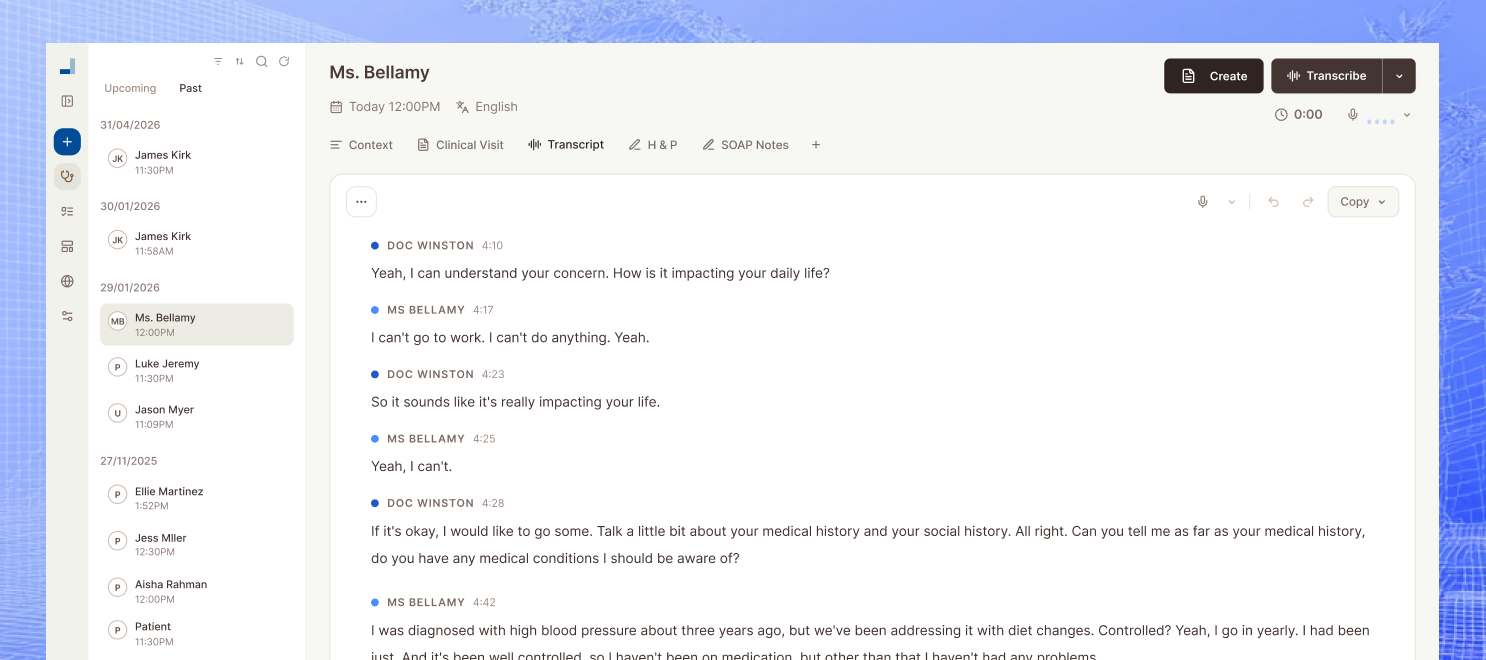
Mcoy reduces operational drag by keeping task generation, documentation, and follow-up work connected to the encounter instead of splitting them across separate systems. This matters because clinics get more value when documents, checklists, and follow-up tasks stay tied to the same source encounter instead of being rebuilt in separate steps.
- Translate visit output into clearer next-step work for the team
- Use repeatable checklists instead of ad hoc memory-driven operations
- Give staff a cleaner path from patient interaction to documented follow-up
Frequently Asked Questions
Is the output ready to use as-is?
It should be treated as a draft or support layer, not as final clinical, billing, or patient-facing output. Review still matters before anything is saved, sent, or relied on operationally.
What inputs usually make this workflow stronger?
Clear encounter context, accurate source notes, and a defined review step produce the most useful outputs. The better the source material, the less correction work the team needs later.
How does this connect to Mcoy?
Mcoy connects captured encounters to note drafting, summaries, patient communication, and follow-up work so the clinic can reuse the same source material across multiple downstream steps.